In the realm of crime dramas, mystery novels, and investigative journalism, the crime scene background image serves as a pivotal element that evokes emotion and intrigue. These images are not merely visual elements; they are storytelling devices that draw viewers into the narrative. The colors, lighting, and composition of a crime scene background image can influence the mood and set the tone for whatever story is being told, whether it’s a gripping thriller or a documentary piece.
Every detail within a crime scene background image can capture the essence of a moment frozen in time, inviting the audience to explore the depths of human behavior and the complexities of the law. From police tape to scattered evidence, these images can conjure up a myriad of questions and hypotheses about what transpired and who is involved. They allow us to step into a world filled with suspense, drama, and a quest for truth.
As we dive deeper into the fascinating world of crime scene background images, we will explore the elements that make them impactful, their use in various media, and the psychological effects they have on viewers. Whether you are a filmmaker, a writer, or simply a curious observer, understanding the significance of these images can enhance your appreciation of the narratives they support.
What Defines a Crime Scene Background Image?
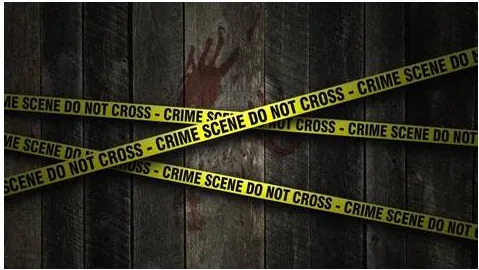
A crime scene background image is characterized by its ability to encapsulate the atmosphere of a particular event. It often includes elements such as:
- Police tape or barriers
- Evidence markers or forensic tools
- Lighting that creates a suspenseful mood
- Specific setting details (e.g., urban, rural, indoors, outdoors)
The combination of these factors contributes to the overall impact of the image and its effectiveness in storytelling.
How Are Crime Scene Background Images Used in Media?
Crime scene background images find their place in various forms of media, including:
- Television shows and movies
- Documentaries and true crime series
- Books and graphic novels
- News reports and articles
Each medium utilizes these images to provoke emotional responses and engage the audience's curiosity about the narrative being presented.
Why Are Crime Scene Background Images Important in Storytelling?Crime scene background images play a vital role in storytelling for several reasons:
- They set the tone and mood of the narrative.
- They provide context and background information.
- They evoke emotional responses and heighten suspense.
- They encourage audience engagement and speculation.
By understanding the importance of these images, creators can craft more compelling narratives that resonate with their audience.
What Elements Make a Crime Scene Background Image Effective?Several key elements contribute to the effectiveness of a crime scene background image:
- Composition: The arrangement of elements within the frame can lead the viewer's eye and create focal points.
- Lighting: The use of shadows and highlights can evoke feelings of tension and unease.
- Color Palette: Specific colors can elicit emotional responses and set the mood.
- Details: Small elements, such as footprints or discarded items, can pique curiosity and create intrigue.
By carefully considering these components, creators can craft more powerful and engaging images.
How Do Crime Scene Background Images Influence Viewers?
The impact of a crime scene background image on viewers can be profound. These images can evoke feelings of:
- Fear and apprehension
- Curiosity and intrigue
- Empathy for the victims
- Suspicion or distrust of characters
By tapping into these emotions, creators can guide audience reactions and create a more immersive experience.
Can Crime Scene Background Images Be Used Ethically?
The ethical considerations surrounding the use of crime scene background images are significant. It is essential for creators to:
- Respect the sensitivity of real-life events and victims.
- Avoid sensationalism or exploitation of tragedy.
- Provide context and educate audiences about the realities of crime.
- Be mindful of the potential impact on victims’ families and communities.
By adhering to ethical guidelines, creators can ensure that their work remains respectful and responsible.
What Are Some Examples of Iconic Crime Scene Background Images?Throughout film and television history, certain crime scene background images have become iconic:
- The opening scene of "Se7en," showcasing a dark and grim atmosphere.
- The blood-stained carpet in "The Shining," which evokes horror and dread.
- The chalk outline in "CSI," a staple of crime scene investigation.
These images resonate with audiences and have become shorthand for the genre, embodying the suspense and intrigue that crime narratives evoke.
Conclusion: The Power of Crime Scene Background Images
Crime scene background images hold a unique power in storytelling, serving as both a backdrop and a catalyst for narrative exploration. As we have seen, they are not just visual elements; they are integral to building suspense, evoking emotion, and engaging audiences in complex narratives. By understanding their significance and the elements that contribute to their effectiveness, creators can harness the potential of crime scene background images to craft compelling stories that resonate with viewers and provoke thought and discussion. Whether utilized in film, literature, or journalism, these images will continue to captivate and intrigue, reminding us of the mysteries that lie beneath the surface of human experience.