The crime scene of Dee Dee Blanchard is not just a tragic event; it is a complex tale of deception, betrayal, and the dark side of a mother-daughter relationship. The shocking murder of Dee Dee Blanchard in 2015 sent ripples across the nation, as it unveiled a web of lies surrounding her life and the life of her daughter, Gypsy Rose Blanchard. This article will explore the intricacies of this crime, delving into the psychological elements, the crime scene details, and the aftermath that followed, highlighting the disturbing truths that emerged from this case.
In the heart of Missouri, the story began to unfold, capturing the attention of true crime enthusiasts and media alike. Dee Dee was a mother who appeared to be caring for her sick child, but behind closed doors, a sinister reality existed. The murder, which was eventually revealed to be orchestrated by Gypsy Rose, raises questions about Munchausen syndrome by proxy, abuse, and the quest for freedom. This article aims to provide a comprehensive overview of the crime scene, the events leading up to the murder, and the impact it had on the lives of those involved.
As we journey through this unsettling narrative, we will take a closer look at the personal histories of Dee Dee and Gypsy, the societal implications of their story, and the legal proceedings that followed. By the end of this article, readers will gain a deeper understanding of the complexities surrounding the crime scene of Dee Dee Blanchard, and the broader issues of mental health and abuse that it highlights.
Table of Contents
- Biography of Dee Dee Blanchard
- The Crime Scene: What Happened?
- Background of Dee Dee and Gypsy
- Understanding Munchausen Syndrome by Proxy
- Legal Proceedings After the Murder
- The Impact on Gypsy Rose Blanchard
- Media Reaction and Public Outcry
- Conclusion: Lessons Learned
Biography of Dee Dee Blanchard
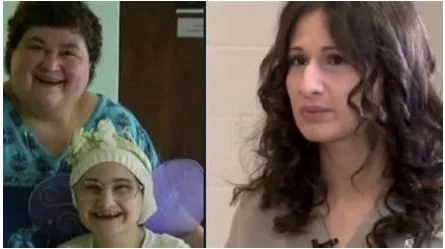
Dee Dee Blanchard was born on September 1, 1967, in Chackbay, Louisiana. Her early life was marked by a troubled upbringing, which included allegations of abuse from her own mother. Dee Dee became a single mother at a young age and eventually gave birth to her daughter, Gypsy Rose, in 1991. Dee Dee's life took a dark turn as she began to exhibit behaviors that suggested a need for attention and sympathy, particularly in relation to Gypsy's health.
Personal Information and Data| Name | Dee Dee Blanchard |
|---|---|
| Date of Birth | September 1, 1967 |
| Date of Death | June 14, 2015 |
| Occupation | Mother, Caregiver |
| Notable For | Victim of Murder by Daughter Gypsy Rose Blanchard |
The Crime Scene: What Happened?
The crime scene of Dee Dee Blanchard was discovered on June 14, 2015, when law enforcement officials were called to her home in Springfield, Missouri. Inside, they found Dee Dee's lifeless body, which had been stabbed multiple times. The scene was shocking, not only because of the brutality of the murder but also due to the context in which it occurred.
Gypsy Rose, who had been living under her mother's oppressive control, was missing. As the investigation unfolded, it became clear that Gypsy had played a role in her mother’s death. She was eventually found in the company of her boyfriend, Nicholas Godejohn, who had assisted her in the murder. This revelation shocked many, as Dee Dee had portrayed herself as a devoted mother caring for a severely ill child.
Background of Dee Dee and Gypsy
Dee Dee Blanchard's relationship with her daughter, Gypsy Rose, was complex and deeply troubled. Dee Dee claimed that Gypsy suffered from a myriad of health issues, including leukemia, muscular dystrophy, and other ailments, which required constant medical attention. However, many of these claims were later proven to be false, leading to the conclusion that Dee Dee was suffering from Munchausen syndrome by proxy, where a caregiver exaggerates or induces illness in a person under their care.
The Life of Gypsy Rose BlanchardGypsy Rose lived a life filled with restrictions and abuse. Her mother controlled every aspect of her life, from her medical treatment to her social interactions. Gypsy was often confined to a wheelchair, despite being able to walk. This manipulation of her health led Gypsy to feel trapped and desperate for freedom.
Understanding Munchausen Syndrome by Proxy
Munchausen syndrome by proxy is a serious mental health disorder in which a caregiver fabricates or induces illness in a person under their care to gain attention or sympathy. In Dee Dee Blanchard's case, her actions not only harmed Gypsy but also created a facade that deceived medical professionals and the community.
- Signs of Munchausen syndrome by proxy include:
- Frequent hospital visits with vague or inconsistent symptoms
- Extensive knowledge of medical terminology
- Seeking treatment from multiple healthcare providers
- Appearing overly concerned about the patient's health
Legal Proceedings After the Murder
After the murder of Dee Dee Blanchard, Gypsy Rose and her boyfriend Nicholas Godejohn were arrested and charged with first-degree murder. During the trial, Gypsy's defense team argued that she had acted out of years of abuse and oppression. Gypsy ultimately pleaded guilty to second-degree murder and was sentenced to 10 years in prison, while Godejohn faced separate charges.
The Impact on Gypsy Rose Blanchard
Gypsy Rose's life changed dramatically after the murder of her mother. While she gained her freedom, she also faced the consequences of her actions. In prison, Gypsy has become an advocate for abuse survivors, sharing her story to raise awareness about Munchausen syndrome by proxy and the effects of long-term abuse.
Media Reaction and Public Outcry
The case of Dee Dee Blanchard and Gypsy Rose gained significant media attention, sparking debates about mental health, abuse, and the legal system. Documentaries, news articles, and television shows have explored the case, further illuminating the complexities of the mother-daughter relationship and the societal implications of their story.
Conclusion: Lessons Learned
The crime scene of Dee Dee Blanchard is a tragic reminder of the dark realities of abuse and mental illness. It highlights the importance of recognizing the signs of Munchausen syndrome by proxy and the need for vigilance in protecting vulnerable individuals. As we reflect on this case, it is essential to advocate for mental health awareness and support for survivors of abuse.
If you found this article informative, we encourage you to leave a comment, share your thoughts, or explore more articles on our site. The story of Dee Dee and Gypsy Rose Blanchard serves as a catalyst for important conversations about mental health, abuse, and recovery.
Thank you for reading, and we hope to see you again soon!