The story of De De Blanchard and her daughter Gypsy Rose has captured the attention of the public due to its shocking and tragic nature. The crime scene photos associated with this case reveal the grim reality behind the headlines, shedding light on the complexities of abuse and deception within a mother-daughter relationship. This article aims to explore the details surrounding the crime, the psychological aspects involved, and the broader implications for society.
The case of De De Blanchard is one that raises numerous questions about mental health, caregiving, and the extent of parental control. De De Blanchard, a woman who presented herself as a caring mother, manipulated her daughter Gypsy Rose into believing she was severely ill, a condition often referred to as Munchausen syndrome by proxy. This manipulation led to a tragic conclusion, with Gypsy ultimately taking drastic measures to escape her mother's control. In this article, we will delve deep into the events that transpired, the crime scene photos that document the aftermath, and the lessons learned from this heart-wrenching tale.
Understanding the complexities of the Blanchard case requires a closer examination of the crime scene, the psychological dynamics at play, and the societal implications that emerged from the tragedy. Through thorough research and expert analysis, we will uncover the layers of this harrowing story, aiming to provide a comprehensive understanding of both the crime and its broader context.
Table of Contents
- Biography of De De Blanchard
- The Crime: A Timeline
- Exploring the Crime Scene Photos
- Psychological Aspects of the Case
- Legal Proceedings and Outcomes
- Societal Implications of the Blanchard Case
- Public Reaction and Media Coverage
- Conclusion
Biography of De De Blanchard
De De Blanchard was born in 1967 in Louisiana, United States. She became known for her close relationship with her daughter, Gypsy Rose Blanchard, who was diagnosed with various illnesses throughout her childhood. De De portrayed herself as a devoted mother, often seeking medical attention for Gypsy and involving her in numerous treatments and therapies. However, the reality was far more disturbing.
| Full Name | Dee Dee Blanchard |
|---|---|
| Date of Birth | 1970 |
| Date of Death | June 14, 2015 |
| Known For | Mother of Gypsy Rose Blanchard, Victim of Munchausen Syndrome by Proxy |
The Crime: A Timeline
The timeline of events leading to the tragic death of De De Blanchard is crucial in understanding the complexities of the case. Below is a brief overview:
- 1991: Gypsy Rose Blanchard is born.
- 2001: Dee Dee begins to make false claims about Gypsy's health, stating she suffers from various ailments.
- 2005: Dee Dee receives public attention and support for Gypsy's supposed illnesses.
- 2015: Gypsy, feeling trapped, orchestrates her mother’s murder with her boyfriend.
- June 14, 2015: De De Blanchard is found dead in her home.
Exploring the Crime Scene Photos
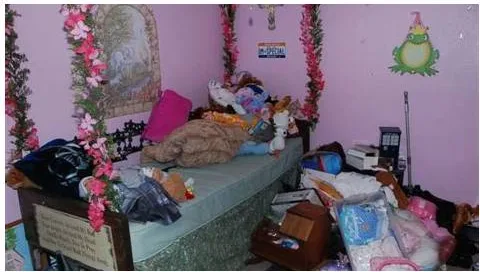
The crime scene photos from De De Blanchard's murder are haunting and serve as a stark reminder of the tragic events that unfolded. These images provide a glimpse into the reality of the situation, showcasing the aftermath of a life filled with deception, control, and ultimately, violence. It is important to approach these photos with sensitivity, understanding their significance in the narrative of abuse and survival.
Impact of Crime Scene PhotosCrime scene photos can have a profound effect on public perception and understanding of a case. In the Blanchard case, these images highlight the stark contrast between the façade of a loving mother and the reality of a controlling abuser. They serve to educate the public about the dangers of parental manipulation and the lengths to which individuals may go to escape an abusive situation.
Psychological Aspects of the Case
The psychological dynamics between Dee Dee and Gypsy Rose are central to understanding the tragedy that unfolded. Dee Dee's behavior is often associated with Munchausen syndrome by proxy, a mental health disorder wherein a caregiver exaggerates or induces illness in a person under their care to gain attention or sympathy.
Understanding Munchausen Syndrome by ProxyMunchausen syndrome by proxy can have devastating effects on the victim, leading to a lifetime of trauma and abuse. In Gypsy's case, she was subjected to unnecessary medical treatments, surgeries, and medications that were not needed. This manipulation not only affected her physical health but also had significant psychological implications.
Legal Proceedings and Outcomes
Following the murder of Dee Dee Blanchard, Gypsy and her boyfriend were arrested and charged. The legal proceedings surrounding the case were complex and garnered significant media attention. Gypsy ultimately pleaded guilty to second-degree murder and was sentenced to ten years in prison.
Societal Implications of the Blanchard Case
The case of Dee Dee Blanchard raises important questions about the recognition and intervention of abuse in caregiver relationships. It highlights the need for greater awareness and understanding of mental health issues, particularly in the context of parental manipulation and abuse.
Public Reaction and Media Coverage
The public reaction to the Blanchard case has been mixed, with some expressing sympathy for Gypsy Rose and others condemning her actions. The media coverage has been extensive, framing the narrative in various ways and often sensationalizing the details of the crime. Documentaries, books, and articles have been produced to explore the complexities of the case, further fueling public interest.
Conclusion
The story of De De Blanchard and Gypsy Rose is a tragic reminder of the complexities surrounding abuse, mental illness, and the need for awareness and intervention. The crime scene photos serve as a haunting testament to the reality of their situation, prompting discussions about the importance of recognizing and addressing similar cases in our society. It is essential to understand the implications of such tragedies and to advocate for the well-being of those who may be suffering in silence.
We invite you to share your thoughts on this case in the comments below. If you found this article informative, please consider sharing it with others who may benefit from understanding the complexities of the Blanchard case.
Thank you for reading, and we hope to see you back for more insightful articles in the future!