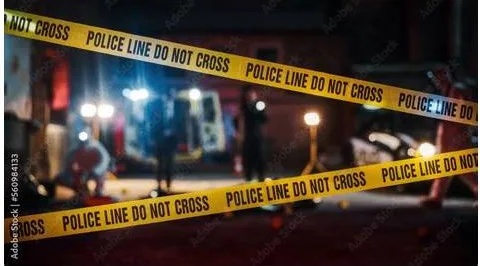
De De Crime Scene Photos have gained significant attention in recent years, often sparking curiosity and debate among the public. These images, which showcase the aftermath of violent crimes, play a crucial role in criminal investigations and legal proceedings. However, the ethical implications surrounding their dissemination and viewing are profound. This article aims to explore the multifaceted nature of crime scene photos, examining their importance, the controversies they invoke, and their impact on society.
As we delve deeper into the world of crime scene photography, we will uncover the technical aspects involved in capturing these images, the historical context, and the psychological effects they can have on those who view them. Understanding the broader implications of these photos is essential not only for professionals in the field but also for the general public who may encounter them in various formats, such as news reports or social media.
By the end of this article, readers will have a comprehensive understanding of De De Crime Scene Photos, from their creation and purpose to the ethical dilemmas they present. Whether you are a professional in the criminal justice system, a student, or simply someone with an interest in crime and justice, this article will provide valuable insights into this often-overlooked aspect of crime investigation.
Table of Contents
- What Are Crime Scene Photos?
- The Role of Crime Scene Photos in Investigations
- Historical Context of Crime Scene Photography
- Ethical Considerations
- Psychological Impact on Viewers
- Technology and Crime Scene Photography
- Famous Crime Scene Photos
- Future of Crime Scene Photography
What Are Crime Scene Photos?
Crime scene photos are visual records taken at locations where crimes have occurred. They serve multiple purposes, including:
- Documenting the scene for investigative analysis
- Providing evidence in court trials
- Assisting in reconstructing the events leading to the crime
These images are typically captured by trained forensic photographers who follow strict protocols to ensure that the evidence is preserved and presented accurately. The quality and detail of these photos can significantly impact the outcome of investigations and trials.
The Role of Crime Scene Photos in Investigations
Crime scene photography plays a critical role in the investigative process. Here are some key functions:
1. Evidence CollectionCrime scene photos help in collecting and preserving evidence. They provide a visual reference that can be invaluable in court.
2. Scene ReconstructionThese photos allow investigators to reconstruct the sequence of events, helping to establish timelines and understand how a crime was committed.
3. Witness TestimonyPhotos can serve as a powerful tool in corroborating witness testimony, providing a tangible reference that can clarify conflicting accounts.
Historical Context of Crime Scene Photography
The practice of crime scene photography dates back to the late 19th century when law enforcement began to recognize the importance of visual evidence. Early pioneers, such as Alphonse Bertillon, developed methods for documenting crime scenes that laid the groundwork for modern forensic photography.
Over the decades, advancements in photography technology have transformed how crime scenes are documented. From black-and-white film to digital imaging, each evolution has enhanced the clarity and detail of the images captured.
Ethical Considerations
The dissemination of crime scene photos raises numerous ethical questions. Issues surrounding privacy, consent, and the potential for sensationalism are prevalent. Consider the following:
- Should crime scene photos be made public, or do they infringe on the privacy of victims and their families?
- How do media outlets balance the public’s right to know with ethical reporting practices?
- What responsibilities do photographers have in handling sensitive material?
These ethical dilemmas require careful consideration from professionals in the field to ensure that their work is conducted responsibly and respectfully.
Psychological Impact on Viewers
Viewing crime scene photos can have significant psychological effects on individuals. Research indicates that exposure to graphic images can lead to a range of responses, including:
- Desensitization to violence
- Increased anxiety and fear
- Trauma and distress, particularly for those with personal connections to the events depicted
Understanding these impacts is essential for media professionals and law enforcement when deciding how and when to share such images.
Technology and Crime Scene Photography
The evolution of technology has significantly impacted crime scene photography. Key advancements include:
1. Digital ImagingDigital cameras have replaced traditional film, allowing for immediate review and greater flexibility in capturing images.
2. 3D Imaging3D technology enables detailed reconstructions of crime scenes, helping investigators visualize the layout and dynamics of the scene.
3. DronesDrones are increasingly used to capture aerial views of crime scenes, providing a unique perspective that can aid investigations.
Famous Crime Scene Photos
Throughout history, certain crime scene photos have gained notoriety, often due to the high-profile nature of the cases involved. Some examples include:
- The Black Dahlia case
- The assassination of JFK
- The O.J. Simpson trial
These images have not only shaped public perception of the cases but have also influenced media coverage and cultural narratives surrounding crime.
Future of Crime Scene Photography
As technology continues to advance, the future of crime scene photography looks promising. Innovations such as artificial intelligence and enhanced imaging techniques are expected to further improve the accuracy and effectiveness of crime scene documentation.
Moreover, ongoing discussions about ethics and the responsible use of crime scene photos will likely shape how these images are utilized in the years to come.
Conclusion
In conclusion, De De Crime Scene Photos play a pivotal role in the criminal justice system, serving as vital evidence and tools for investigation. However, their use raises important ethical considerations and psychological implications that must be addressed. As technology evolves, so too will the practices surrounding crime scene photography, emphasizing the need for ongoing dialogue about ethics and responsibility in this field.
We invite readers to share their thoughts on the impact of crime scene photography and its ethical implications in the comments below. Additionally, feel free to explore our other articles for more insights into the world of crime and justice.
Penutup
Thank you for reading! We hope you found this article informative and engaging. Be sure to return for more articles exploring the intricate world of crime, justice, and the ethical considerations that accompany them.