The case of Dede Blanchard and her daughter Gypsy Rose has shocked the world, raising questions about medical abuse, manipulation, and the dark side of caregiving. This tragic story revolves around a mother who was a perpetrator of Munchausen syndrome by proxy, leading to her daughter's extreme suffering. As we delve into the crime scene photos related to Dede Blanchard, we seek not only to discuss the events that transpired but also to analyze the broader implications of such cases in society.
In this article, we will explore the background of Dede Blanchard, the circumstances leading to her daughter's actions, and the aftermath of this heartbreaking case. The crime scene photos serve as a grim reminder of the psychological and physical abuse that Gypsy Rose endured over the years. Understanding this case is crucial, not only for those interested in true crime but also for professionals in healthcare and social work.
We will break down the components of this case in a detailed manner to provide a comprehensive understanding of the dynamics at play. By doing this, we hope to shed light on the complexities of abusive relationships, particularly in a caregiver context, and encourage discussions on prevention and awareness.
Table of Contents
- Biography of Dede Blanchard
- The Crime Scene: A Closer Look
- Understanding Psychological Abuse
- The Trial and Its Outcomes
- Implications for Society
- Support Systems for Victims
- Media Coverage and Public Perception
- Conclusion: Lessons Learned
Biography of Dede Blanchard
Dede Blanchard was born on September 14, 1967, in Chackbay, Louisiana. She became known for her role as a mother to Gypsy Rose Blanchard, but her life was fraught with challenges and controversies.
| Personal Information | Details |
|---|---|
| Name | Dede Blanchard |
| Date of Birth | September 14, 1967 |
| Occupation | Caregiver |
| Known For | Medical abuse of daughter |
| Date of Death | June 14, 2015 |
The Crime Scene: A Closer Look
The crime scene surrounding Dede Blanchard's death was filled with shocking revelations. When police arrived at the scene, they uncovered a chilling reality that had been hidden for years. Gypsy Rose, having endured years of abuse, ultimately took drastic measures to escape her mother's control.
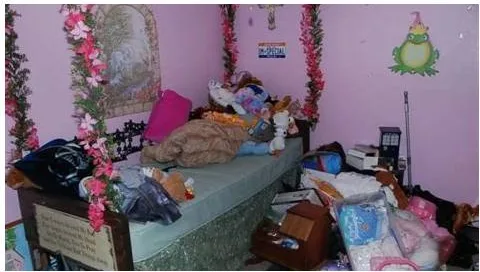
Discovery of the Crime SceneOn June 14, 2015, police responded to a call regarding a homicide at the Blanchard home in Springfield, Missouri. Upon entering the residence, they found Dede's body in her bed, surrounded by various medications and medical equipment typically associated with her daughter's supposed ailments.
Significance of Crime Scene PhotosThe crime scene photos serve as stark evidence of the psychological and physical toll that Dede's actions had on Gypsy. They reveal the environment in which Gypsy was raised, showcasing the manipulation and control exerted by Dede.
Understanding Psychological Abuse
Psychological abuse is an insidious form of control that can leave deep emotional scars. In Dede Blanchard's case, her actions towards Gypsy Rose exemplified the extremes of this type of abuse.
Munchausen Syndrome by ProxyDede Blanchard displayed characteristics of Munchausen syndrome by proxy, where caregivers fabricate or induce illness in those they care for, often to gain attention or sympathy. This condition can have devastating effects on the victim's health and well-being.
Impact on Gypsy RoseGypsy Rose Blanchard was led to believe she had numerous health issues, including leukemia and muscular dystrophy, resulting in unnecessary medical treatments and procedures. The psychological impact of her mother's manipulation has been profound, contributing to her eventual decision to take drastic action.
The Trial and Its Outcomes
Gypsy Rose's actions resulted in a highly publicized trial that garnered national attention. The proceedings raised questions about culpability and the effects of prolonged abuse.
Gypsy's DefenseIn her trial, Gypsy Rose claimed that she acted in self-defense against her mother, who had subjected her to years of manipulation and abuse. Her legal team argued that she was a victim, not a perpetrator.
Verdict and SentencingUltimately, Gypsy was sentenced to 10 years in prison for her role in Dede's death. The verdict sparked debates about justice, victimhood, and the complexities surrounding cases of abuse.
Implications for Society
The Dede Blanchard case has significant implications for society, particularly concerning child welfare and the recognition of psychological abuse.
Need for Awareness and EducationThere is a pressing need for increased awareness and education surrounding Munchausen syndrome by proxy and other forms of psychological abuse. Professionals in healthcare and social work must be trained to recognize the signs and intervene appropriately.
Support for VictimsSupport systems for victims of abuse must be strengthened to ensure they have access to help and resources. Gypsy Rose's case highlights the importance of listening to victims' voices and understanding their experiences.
Media Coverage and Public Perception
The media coverage surrounding the Dede Blanchard case played a crucial role in shaping public perception. The sensational nature of the story drew widespread attention, leading to a mix of sympathy for Gypsy and outrage towards Dede.
Challenges of SensationalismWhile media coverage can raise awareness, it can also lead to sensationalism, overshadowing the underlying issues of abuse and mental health. A balanced approach is necessary to foster understanding rather than judgment.
The Role of Documentaries and ArticlesDocumentaries and articles exploring the Blanchard case can contribute to a deeper understanding of the complexities involved. These narratives must focus on the human experience and the need for systemic change.
Conclusion: Lessons Learned
The tragic case of Dede Blanchard and Gypsy Rose serves as a powerful reminder of the complexities of abuse and the need for societal change. While Gypsy's actions were extreme, they were rooted in years of manipulation and suffering.
As we reflect on this case, it is essential to advocate for awareness, education, and support systems for victims of abuse. By doing so, we can work towards preventing similar tragedies in the future and fostering a society that prioritizes the well-being of its most vulnerable members.
We invite you to share your thoughts on this case in the comments below. If you found this article informative, please consider sharing it with others who may benefit from understanding the implications of the Dede Blanchard case.