The case of Dee Blanchard has captivated the public's attention due to its shocking nature and the complex layers of deception involved. This tragic event not only highlights the dark side of human behavior but also raises questions about trust, manipulation, and the consequences of living a lie. In this article, we will delve into the details surrounding the Dee Blanchard crime scene photos, exploring their significance, the reactions they elicited, and the broader implications for society.
Dee Blanchard was a mother whose life and death became a focal point of media scrutiny and public fascination. The crime scene photos associated with her case have sparked debates about ethics, privacy, and the impact of sensationalism in media coverage. In this article, we aim to provide a comprehensive analysis of the case, shedding light on the key elements that make it a significant topic in contemporary discussions about crime and morality.
As we navigate through this sensitive subject, it is essential to approach it with care and respect for the individuals involved. We will examine the facts surrounding the case, the aftermath of Dee Blanchard's death, and the critical role that crime scene photos play in shaping public perception and understanding of such tragic events.
Table of Contents
- Biography of Dee Blanchard
- The Crime Scene Photos
- Public Reaction to the Photos
- Ethical Considerations in Crime Scene Photography
- Impact of the Case on Society
- Psychological Aspects of the Case
- Similar Cases in True Crime
- Conclusion
Biography of Dee Blanchard
Dee Blanchard was born in the early 1990s and became known for her role as a mother to Gypsy Rose Blanchard. Dee was portrayed as a devoted parent, but behind the scenes, her parenting methods raised many questions. She was accused of suffering from Munchausen syndrome by proxy, a psychological disorder wherein a caregiver fabricates or induces illness in a person under their care.
| Data Pribadi | Detail |
|---|---|
| Nama Lengkap | Dee Blanchard |
| Tanggal Lahir | 1972 |
| Tempat Lahir | Louisiana, USA |
| Status | Deceased |
The Crime Scene Photos
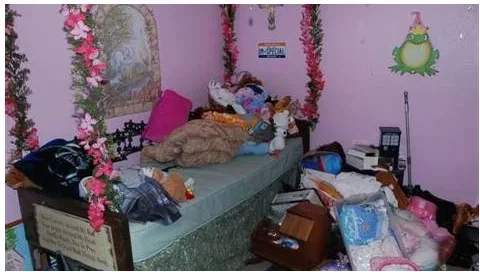
The crime scene photos from Dee Blanchard's case are both haunting and revealing. They provide a stark visual representation of the tragic events that transpired. Such images often serve as critical evidence in criminal investigations, helping law enforcement piece together the circumstances surrounding a crime.
Details of the Crime SceneThe crime scene was discovered in June 2015, when authorities were alerted to a suspicious situation at Dee Blanchard's home. Upon arrival, they found Dee's lifeless body, which had been stabbed multiple times. The scene was chaotic, with various items scattered about, highlighting the struggle that had occurred.
Significance of the PhotosThese crime scene photos have become a focal point for discussions about the ethics of displaying such images to the public. While they provide valuable insights for investigators, they can also be distressing for the families involved and the wider community.
Public Reaction to the Photos
The release of Dee Blanchard's crime scene photos sparked a wave of reactions across social media and news outlets. People expressed their shock, horror, and curiosity, leading to widespread discussions about the case.
Media CoverageMedia outlets played a significant role in shaping public perception of the case. The sensationalism surrounding the crime scene photos added to the intrigue, drawing viewers in while simultaneously raising ethical concerns about the portrayal of victims in crime reporting.
Online CommunitiesOnline forums and true crime communities further fueled the conversation, with individuals sharing their thoughts and theories about what could have led to such a tragic outcome. This phenomenon highlights the complex relationship between crime, media, and public interest.
Ethical Considerations in Crime Scene Photography
The use of crime scene photos raises important ethical questions that must be addressed. On one hand, these images can serve as crucial evidence; on the other hand, they can be invasive and disrespectful to the victims and their families.
Respect for Victims and FamiliesIt is essential to consider the impact that crime scene photos have on the families of victims. These images can be traumatic and may reopen wounds that have yet to heal.
Balancing Transparency and SensitivityLaw enforcement agencies and media organizations must strike a balance between transparency in reporting and the sensitivity required when dealing with tragic events. Striking this balance is crucial in maintaining trust with the public and respecting the dignity of those affected by crime.
Impact of the Case on Society
The Dee Blanchard case has had a profound impact on society, prompting discussions about mental health, trust, and the nature of deception. It serves as a reminder of the complexities of human relationships and the lengths individuals may go to maintain a facade.
Awareness of Munchausen Syndrome by ProxyThe case has brought attention to Munchausen syndrome by proxy, increasing awareness of this psychological disorder and its implications for victims. Understanding this condition is crucial for identifying and intervening in similar situations.
Public Fascination with True CrimeThe fascination with true crime has only intensified in recent years, with numerous documentaries, podcasts, and articles exploring real-life cases like Dee Blanchard's. This trend raises important questions about voyeurism and the ethics of consuming tragic stories for entertainment.
Psychological Aspects of the Case
The psychological dimensions of the Dee Blanchard case are complex and multifaceted. They reveal the struggles faced by individuals with mental health issues and the impact these challenges can have on families.
The Role of DeceptionDeception played a significant role in Dee Blanchard's life and her relationship with her daughter, Gypsy. Understanding the motivations behind such behavior can shed light on the broader implications of mental health issues within families.
The Consequences of ManipulationThe consequences of manipulation in relationships can be devastating, leading to distrust and ultimately tragic outcomes. This case serves as a cautionary tale about the importance of addressing mental health concerns and seeking help when needed.
Similar Cases in True Crime
Dee Blanchard's case is not unique; it shares similarities with other high-profile true crime cases that have captured public interest. Exploring these cases can provide further insight into the patterns of behavior that lead to such tragedies.
Case Studies- The case of Gypsy Rose Blanchard, Dee’s daughter, who was ultimately implicated in her mother’s death.
- Other cases of Munchausen syndrome by proxy that have garnered media attention.
By examining similar cases, we can learn valuable lessons about the importance of awareness, intervention, and support for those affected by mental health issues and abusive relationships.
Conclusion
The case of Dee Blanchard and the associated crime scene photos serve as a powerful reminder of the complexities of human relationships and the tragic outcomes that can arise from deception and manipulation. As we reflect on this case, it is vital to approach the topic with sensitivity and understanding. We encourage readers to engage in discussions about mental health, ethics in media, and the importance of support systems for individuals facing similar challenges.
If you found this article insightful, please leave a comment below, share your thoughts, and consider exploring other articles on our site that delve into the intricacies of true crime and the human experience.
Thank you for reading, and we hope to see you back for more engaging content that explores the depth of human stories and the lessons they teach us.