The tragic story of Dee Dee Blanchard and her daughter Gypsy Rose Blanchard has captivated the public imagination and sparked numerous discussions about abuse, mental illness, and the complexities of the mother-daughter bond. This article delves into the crime scene surrounding Dee Dee Blanchard's murder, exploring the intricate details that led to this shocking event. We will examine the psychological aspects of the case, the implications of Munchausen syndrome by proxy, and the broader societal issues it raises.
In this comprehensive analysis, we aim to provide insights into the circumstances that culminated in the crime, the legal proceedings that followed, and the impact on the lives of those involved. By focusing on the facts and the human elements of this case, we hope to foster a deeper understanding of the issues at play.
As we navigate through the dark waters of this narrative, we will also highlight the importance of mental health awareness and the need for vigilance against abuse in its many forms. Join us as we uncover the layers of the Dee Dee Blanchard crime scene and its far-reaching consequences.
Table of Contents
- Biography of Dee Dee Blanchard
- The Crime Scene Overview
- Understanding Munchausen Syndrome by Proxy
- Legal Proceedings After the Crime
- Impact on Gypsy Rose Blanchard
- Media Coverage and Public Perception
- Lessons Learned from the Case
- Conclusion
Biography of Dee Dee Blanchard
Dee Dee Blanchard was born on September 1, 1967, in Chackbay, Louisiana. Her life was marked by a series of tumultuous events, including her rocky relationships and the birth of her daughter, Gypsy Rose, in 1991. Dee Dee's parenting style came under scrutiny as she exhibited behaviors consistent with Munchausen syndrome by proxy, leading to Gypsy's unnecessary medical treatments and lifestyle restrictions.
Personal Data and Biodata| Full Name | Dee Dee Blanchard |
|---|---|
| Date of Birth | September 1, 1967 |
| Place of Birth | Chackbay, Louisiana, USA |
| Occupation | Mother, Caregiver |
| Death | June 14, 2015 |
The Crime Scene Overview
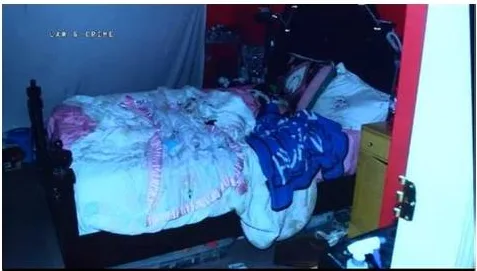
On June 14, 2015, Dee Dee Blanchard was found murdered in her home in Springfield, Missouri. The crime scene revealed a shocking tableau that would expose the hidden horrors of her relationship with her daughter. Dee Dee was discovered in her bed, having suffered multiple stab wounds. The circumstances surrounding her death raised immediate questions about the events leading up to the incident.
Key details about the crime scene include:
- Location: Dee Dee's home in Springfield, Missouri.
- Date of Incident: June 14, 2015.
- Cause of Death: Multiple stab wounds.
- Discovery: Dee Dee was found by a neighbor, which led to the police investigation.
Understanding Munchausen Syndrome by Proxy
Munchausen syndrome by proxy is a psychological disorder in which a caregiver, typically a parent, fabricates or induces illness in their child to gain attention and sympathy. In Dee Dee Blanchard's case, she subjected Gypsy Rose to unnecessary medical procedures and convinced others that her daughter was severely ill.
Characteristics of Munchausen Syndrome by ProxySome common characteristics of this disorder include:
- Fabrication of medical histories.
- Seeking unnecessary medical treatments.
- Manipulating medical professionals and the healthcare system.
- Using the child's illness to gain sympathy and attention.
Legal Proceedings After the Crime
Following Dee Dee Blanchard's murder, her daughter Gypsy Rose became a central figure in the legal proceedings. Gypsy was arrested and charged with her mother's murder, sparking a nationwide debate about the motivations behind her actions.
Key points regarding the legal proceedings include:
- Gypsy's arrest: She was taken into custody soon after the discovery of her mother's body.
- Plea deal: Gypsy ultimately accepted a plea deal, resulting in a reduced sentence.
- Public perception: The case garnered significant media attention, leading to public sympathy for Gypsy.
Impact on Gypsy Rose Blanchard
The impact of Dee Dee Blanchard's death on Gypsy Rose was profound. After years of abuse and manipulation, Gypsy finally found herself free but faced a complex and challenging future. She had to navigate the legal system while also coming to terms with her traumatic past.
Key aspects of Gypsy's experience post-murder include:
- Transition to prison life: Gypsy had to adapt to a new environment after her arrest.
- Public support: Many advocates rallied behind her story, emphasizing the abuse she suffered.
- Continued healing: Gypsy's journey toward healing and self-discovery continues to unfold.
Media Coverage and Public Perception
The case received extensive media coverage, which played a significant role in shaping public perception. Documentaries, news articles, and podcasts explored the complexities of the Blanchard case, often highlighting the themes of abuse and mental health.
Key points regarding media coverage include:
- Documentaries: Several documentaries have been produced, including "Mommy Dead and Dearest."
- Social media impact: Gypsy's story gained traction on platforms like Twitter and Instagram.
- Public discourse: The case has sparked discussions about mental health awareness and the need for protective measures for vulnerable individuals.
Lessons Learned from the Case
The Dee Dee Blanchard case serves as a cautionary tale about the importance of recognizing signs of abuse and mental health issues. It underscores the need for vigilance within communities to protect vulnerable individuals from similar situations.
Key lessons learned include:
- The importance of mental health education and awareness.
- Recognizing the signs of Munchausen syndrome by proxy.
- Advocating for protective measures for vulnerable individuals and families.
Conclusion
In conclusion, the Dee Dee Blanchard case is a tragic reminder of the complexities of familial relationships, mental illness, and the devastating consequences of abuse. As we reflect on the events surrounding this case, it is essential to foster a dialogue about mental health awareness and the importance of supporting those in need.
We invite readers to share their thoughts in the comments section below, engage with this topic, and explore additional resources on mental health and abuse prevention. Together, we can work towards a more compassionate and informed society.
Thank you for reading, and we hope you return for more insightful articles in the future.