The tragic case of Dee Dee Blanchard and her daughter Gypsy Rose has captivated the public's attention for years, not only due to its shocking nature but also because it raises important questions about abuse, manipulation, and the lengths one might go to for control. The crime scene body photos related to this case are chilling and distressing, giving us a glimpse into the dark reality of their lives. In this article, we will explore the details surrounding the crime, the background of the individuals involved, and the implications of this heartbreaking situation.
In the world of true crime, few stories emerge that are as complex and emotionally charged as that of Dee Dee Blanchard. The case delves into the depths of maternal abuse, Munchausen syndrome by proxy, and the ultimate betrayal of trust between a mother and daughter. As we navigate this unsettling narrative, we will focus on the crime scene body photos, the public's fascination with them, and the ethical considerations surrounding such images. This exploration aims to provide a comprehensive understanding of the events that transpired, allowing us to reflect on the broader societal issues at play.
As we examine the events leading up to the crime and its aftermath, we must also consider the psychological and emotional impact on Gypsy Rose Blanchard. Her journey from victim to a symbol of resilience is a poignant reminder of the human spirit's ability to endure and overcome the most harrowing circumstances. Join us as we delve into the details of this tragic story, seeking to understand the complexities of each character involved and the implications of their actions.
Table of Contents
- 1. Background of Dee Dee Blanchard
- 2. The Nature of Munchausen Syndrome by Proxy
- 3. Overview of the Crime
- 4. The Crime Scene Body Photos
- 5. Public Reaction and Media Coverage
- 6. Legal Proceedings and Outcomes
- 7. Gypsy Rose Blanchard's Journey
- 8. Ethical Considerations Surrounding Crime Scene Photos
1. Background of Dee Dee Blanchard
Dee Dee Blanchard was born on September 1, 1967, in Chackbay, Louisiana. Throughout her life, she exhibited behaviors that suggested a need for attention and control. After having Gypsy Rose in 1991, Dee Dee began presenting her daughter as a chronically ill child, claiming multiple ailments that required extensive medical care. This manipulation led to Gypsy being subjected to unnecessary treatments and surgeries, with Dee Dee often acting as the primary caregiver.
Personal Data of Dee Dee Blanchard| Name | Date of Birth | Place of Birth | Occupation |
|---|---|---|---|
| Dee Dee Blanchard | September 1, 1967 | Chackbay, Louisiana | Caregiver |
2. The Nature of Munchausen Syndrome by Proxy
Munchausen syndrome by proxy (MSBP) is a psychological disorder where a caregiver deliberately exaggerates, fabricates, or induces illness in a person under their care, typically to gain attention or sympathy. In Dee Dee's case, she exhibited classic signs of this disorder, as she manipulated Gypsy's health status to appear as a devoted mother to a sick child.
Victims of MSBP often suffer severe consequences, including unnecessary medical procedures, emotional trauma, and long-term psychological effects. This disorder not only affects the immediate victim but also has repercussions on the caregiver's mental health and the family's dynamics.
3. Overview of the Crime
The crime that ultimately unfolded on June 14, 2015, shocked the nation. After years of manipulation and abuse, Gypsy Rose Blanchard, then 23 years old, took drastic action to escape her mother's control. With the assistance of her online boyfriend, Nicholas Godejohn, Gypsy planned and executed the murder of Dee Dee Blanchard.
The details surrounding the murder are harrowing. Gypsy, having endured years of emotional and physical abuse, felt trapped and powerless under her mother's grip. Their relationship, fraught with fear and manipulation, culminated in this tragic act of violence. Gypsy was arrested shortly after the crime and later expressed feelings of regret and sorrow for her actions.
4. The Crime Scene Body Photos
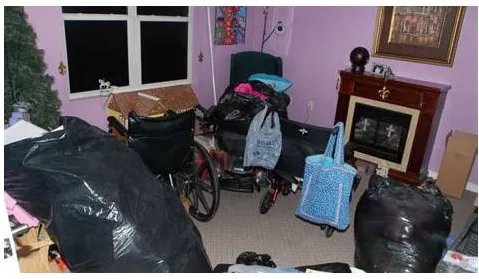
The crime scene body photos from Dee Dee Blanchard's murder are graphic and distressing, providing visual evidence of the violent act that took place. These images have drawn significant public interest, sparking debates about the ethics of sharing such content. While they serve as documentation for law enforcement and legal proceedings, their circulation raises questions about sensitivity and respect for the deceased.
It is crucial to approach these images with caution and empathy, recognizing the human suffering behind the tragedy. The focus should remain on understanding the circumstances leading to the crime rather than sensationalizing the act itself.
5. Public Reaction and Media Coverage
The media coverage surrounding the Blanchard case was extensive, capturing the attention of true crime enthusiasts and the general public alike. News outlets and documentaries explored the complexities of the case, shedding light on the psychological manipulation and abuse that defined Dee Dee and Gypsy's relationship.
Public reaction ranged from shock and outrage to sympathy for Gypsy Rose. Many viewed her actions as a desperate escape from years of suffering, while others debated the morality of her choices. This case has sparked discussions about parental control, abuse, and the legal system's role in protecting vulnerable individuals.
6. Legal Proceedings and Outcomes
Gypsy Rose Blanchard faced legal consequences for her involvement in her mother's murder. In 2016, she pleaded guilty to second-degree murder and was sentenced to ten years in prison. The court acknowledged the abuse she had endured, recognizing that her actions were driven by a desire to escape her traumatic circumstances.
Throughout the legal proceedings, Gypsy's story garnered support from advocates for domestic abuse victims, highlighting the need for systemic changes to protect individuals in similar situations. The case underscored the importance of recognizing the signs of abuse and providing adequate resources for those in need.
7. Gypsy Rose Blanchard's Journey
Following her sentencing, Gypsy Rose's journey has been one of resilience and transformation. While incarcerated, she has focused on personal growth, reflecting on her past and advocating for changes within the prison system. Gypsy has also utilized her platform to raise awareness about the effects of abuse and the complexities of her situation.
Her story has inspired many, serving as a reminder of the strength that can emerge from adversity. As she navigates her path to healing, Gypsy continues to be a voice for those who have suffered in silence.
8. Ethical Considerations Surrounding Crime Scene Photos
The circulation of crime scene body photos raises significant ethical concerns. While they may serve as vital evidence in legal proceedings, the emotional toll on the victims' families and the public's fascination with such images can be damaging. It is essential to approach these images with sensitivity, recognizing the humanity behind the tragedy.
Media outlets and content creators must balance the need for transparency and the potential harm caused by sensationalizing violence. Ethical journalism should prioritize respect for the individuals involved and the broader implications of sharing graphic content.
Conclusion
The case of Dee Dee and Gypsy Rose Blanchard is a harrowing tale of abuse, manipulation, and the quest for freedom. As we reflect on the tragic events that unfolded, we must acknowledge the complexities of their relationship and the societal issues at play. The crime scene body photos serve as a chilling reminder of the reality of their lives, prompting us to consider the ethical implications of sharing such content.
We invite you to share your thoughts on this case in the comments below, and if you found this article informative, please consider sharing it with others. For more insights into true crime stories and discussions surrounding abuse and resilience, explore our other articles.
Penutup
Thank you for taking the time to read this exploration of the Dee Dee Blanchard case. We hope it has provided you with valuable insights into the complexities of abuse and the importance of understanding the human experiences behind such tragedies. We look forward to welcoming you back for more compelling stories and discussions.