In the annals of true crime, few stories are as haunting as the murder of Dee Dee Blanchard. This tragic case not only captivated the nation but also raised critical questions about the nature of abuse and the complexities of familial relationships. The crime scene photos of Dee Dee Blanchard reveal the shocking reality behind this horrific event, offering a glimpse into the life of a woman who was both a victim and a perpetrator in her own right.
In this article, we will delve into the details surrounding the murder of Dee Dee Blanchard, the circumstances leading to her tragic death, and the ensuing investigation that captivated the nation. We will explore the psychological dynamics at play, the implications of Munchausen syndrome by proxy, and how this case has been portrayed in the media. Furthermore, we will examine the crime scene photos that have surfaced, discussing their impact on public perception and the broader conversation about abuse.
The story of Dee Dee Blanchard is a poignant reminder of the complexities of human relationships and the tragic consequences that can arise from manipulation and deceit. Join us as we navigate this intricate narrative, shedding light on the darker aspects of familial bonds and the quest for justice.
Table of Contents
- Biography of Dee Dee Blanchard
- Background of the Case
- The Crime Scene
- The Investigation
- The Trial of Gypsy Rose Blanchard
- Media Impact and Public Perception
- Psychological Aspects of the Case
- Conclusion
Biography of Dee Dee Blanchard
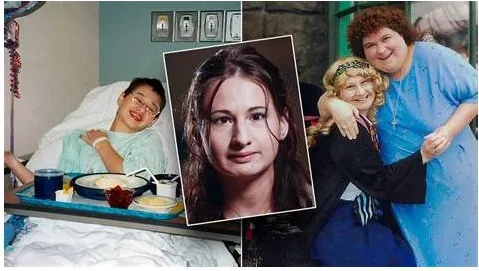
Dee Dee Blanchard was born on September 4, 1967, in Chackbay, Louisiana. She had a tumultuous childhood, characterized by instability and family issues. Dee Dee became a mother to a girl named Gypsy Rose Blanchard in 1991. From a young age, Gypsy was diagnosed with several chronic conditions, leading Dee Dee to become a primary caregiver who often showcased her daughter's ailments to garner sympathy and support.
Personal Data and Biodata| Name | Dee Dee Blanchard |
|---|---|
| Date of Birth | September 4, 1967 |
| Date of Death | June 14, 2015 |
| Place of Birth | Chackbay, Louisiana, USA |
| Occupation | Caregiver |
Background of the Case
The case of Dee Dee Blanchard is often discussed in the context of Munchausen syndrome by proxy, a mental health disorder wherein a caregiver fabricates or induces illness in a person under their care. Dee Dee's relationship with her daughter Gypsy was characterized by manipulation and control, leading to a life filled with unnecessary medical procedures and treatments.
As Gypsy grew older, she began to realize the extent of her mother's deceit. Dee Dee had convinced her that she suffered from various ailments, including leukemia, muscular dystrophy, and other conditions that rendered her dependent on her mother. This dynamic set the stage for a tragic confrontation that would ultimately lead to Dee Dee's murder.
The Crime Scene
On June 14, 2015, Dee Dee Blanchard was found dead in her home in Springfield, Missouri. The crime scene photos reveal a shocking reality: Dee Dee had been brutally murdered, her body discovered in her bed. The gruesome details of the crime shocked the community and raised numerous questions about what had transpired in the hours leading up to her death.
Details of the Crime Scene- Dee Dee was found with multiple stab wounds.
- The scene suggested a struggle may have occurred.
- Gypsy was initially missing, raising suspicion about her involvement.
The Investigation
The investigation into Dee Dee Blanchard's murder quickly turned towards her daughter, Gypsy Rose. Authorities discovered that Gypsy had been in a tumultuous relationship with a man named Nicholas Godejohn, who she had met online. Evidence suggested that Gypsy and Nicholas had conspired to kill Dee Dee, leading to their arrests.
During the investigation, it was revealed that Gypsy had long suffered under her mother's control. This revelation added layers of complexity to the case, as many began to question whether Gypsy's actions were those of a victim or a perpetrator.
The Trial of Gypsy Rose Blanchard
Gypsy Rose Blanchard's trial garnered significant media attention, as it presented a unique case of a daughter who had been subjected to years of abuse. In 2016, Gypsy pled guilty to second-degree murder and was sentenced to 10 years in prison. Many advocates for abuse victims viewed her actions as a desperate bid for freedom from her mother's oppressive control.
Public Reaction- Support for Gypsy Rose grew, with many viewing her as a victim.
- Debates emerged surrounding the ethics of her actions.
- Media portrayals often sensationalized the story, leading to further scrutiny.
Media Impact and Public Perception
The murder of Dee Dee Blanchard has been the subject of numerous documentaries, articles, and television shows. The portrayal of the case has sparked discussions about abuse, mental health, and the complexities of familial relationships. The crime scene photos, while disturbing, have contributed to the public's fascination with the case, raising awareness of the issues surrounding Munchausen syndrome by proxy.
Media coverage has led to a broader conversation about the need for better support systems for victims of abuse and the role of mental health in such cases. As the story continues to unfold, it serves as a stark reminder of the tragic consequences of manipulation and deceit.
Psychological Aspects of the Case
The case of Dee Dee Blanchard illustrates the complexities of mental health and abuse. Dee Dee's actions can be viewed through the lens of Munchausen syndrome by proxy, which often leads caregivers to seek attention and sympathy at the expense of their dependents. This psychological disorder can have devastating effects on both the caregiver and the victim.
Gypsy's journey from victim to perpetrator raises critical questions about agency and the nature of abuse. Understanding the psychological dynamics at play can help in developing better support systems for victims and raising awareness about the signs of abuse.
Conclusion
The murder of Dee Dee Blanchard is a tragic tale that highlights the complexities of familial relationships and the often-hidden nature of abuse. Through the examination of crime scene photos and the subsequent investigation, we gain insight into the psychological dynamics at play in this heartbreaking story. Gypsy Rose's journey from victim to perpetrator serves as a powerful reminder of the need for awareness and support for those affected by abuse.
We invite you to share your thoughts on this case and its implications in the comments below. If you found this article informative, consider sharing it with others or exploring more content related to true crime on our site.
Thank you for taking the time to read about this poignant and complex case. We hope to see you back again for more intriguing stories and discussions.