Dee Dee Blanchard's crime scene photos serve as a haunting reminder of a tragic tale that captivated the nation. This story is filled with deception, manipulation, and ultimately, a shocking crime that left many in disbelief. The case of Dee Dee Blanchard, her daughter Gypsy Rose, and the events leading to a murder are complex and layered, intertwining themes of mental illness, abuse, and societal perceptions. In this article, we will explore the details surrounding the crime, the implications of the photos, and the broader context of the Blanchard family's story.
The infamous crime scene photos of Dee Dee Blanchard have sparked discussions across social media platforms, news outlets, and true crime forums. These images provide a glimpse into the aftermath of a crime that not only took a life but also unveiled a dark family secret. Understanding the implications of these photos requires an exploration of the circumstances that led up to the tragic event and the psychological factors at play.
In the following sections, we will delve deeper into the background of Dee Dee Blanchard and her daughter, Gypsy Rose, examining their relationship, the events leading up to the crime, and the societal reactions that followed. We will also provide insights into the significance of the crime scene photos and the ethical considerations surrounding their circulation.
Table of Contents
- 1. The Background of Dee Dee Blanchard
- 2. The Unique Relationship Between Dee Dee and Gypsy Rose
- 3. The Crime: What Led to Dee Dee Blanchard's Murder?
- 4. Analyzing the Crime Scene Photos
- 5. Public Reaction and Media Coverage
- 6. The Aftermath: Gypsy Rose’s Life Post-Crime
- 7. The Ethics of Sharing Crime Scene Photos
- 8. Conclusion: Lessons Learned from the Blanchard Case
1. The Background of Dee Dee Blanchard
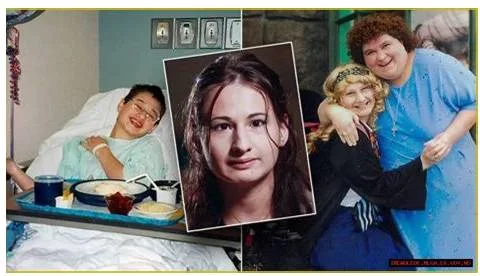
Dee Dee Blanchard was born on September 1, 1967, in Chackbay, Louisiana. From an early age, she faced various challenges, including a tumultuous family life. As a young adult, Dee Dee became a mother to Gypsy Rose Blanchard, born on July 27, 1991. However, the relationship between mother and daughter quickly became complicated.
Dee Dee presented herself as a devoted mother, often claiming that Gypsy suffered from a range of debilitating health issues, including leukemia, muscular dystrophy, and other ailments. However, as investigations would later reveal, many of these claims were fabricated. Dee Dee's behavior exhibited characteristics of Munchausen syndrome by proxy, a mental disorder in which a caregiver fabricates or induces illness in another person.
2. The Unique Relationship Between Dee Dee and Gypsy Rose
Gypsy Rose was raised in an environment where her mother dictated every aspect of her life. Dee Dee controlled Gypsy’s diet, medications, and even her ability to walk, often using a wheelchair to transport her. This extreme form of control created a dependent and isolated young woman.
As Gypsy grew older, she began to question her mother’s claims about her health and started to seek independence. This desire for freedom would ultimately lead to the tragic events that unfolded in June 2015.
2.1 The Turning PointIn the years leading up to the crime, Gypsy began to communicate with others online, forming relationships outside of her mother’s control. She met a man named Nicholas Godejohn, and their relationship would become pivotal in the events that followed.
3. The Crime: What Led to Dee Dee Blanchard's Murder?
On June 14, 2015, Dee Dee Blanchard was found murdered in her home in Springfield, Missouri. The crime shocked the community and raised numerous questions about the circumstances leading to the tragic event.
Gypsy and Nicholas were arrested shortly after the murder, and it was revealed that Gypsy had conspired with Nicholas to kill her mother. Gypsy claimed that she felt trapped and abused by Dee Dee, and the murder was an act of desperation to escape her situation.
4. Analyzing the Crime Scene Photos
The crime scene photos of Dee Dee Blanchard are chilling and evoke a strong emotional response. These images depict the aftermath of the crime and serve as a stark reminder of the tragic events that transpired.
The circulation of these photos has raised ethical concerns, particularly regarding the privacy of the individuals involved and the potential for sensationalism. While some argue that these images provide insight into the severity of the crime, others feel that sharing them is disrespectful to the victim and her family.
5. Public Reaction and Media Coverage
The murder of Dee Dee Blanchard quickly gained national attention, with extensive media coverage exploring the complexities of the case. Documentaries, podcasts, and news articles discussed the psychological aspects of the relationship between Dee Dee and Gypsy, along with the implications of the crime.
Public reaction to the case was mixed, with many expressing sympathy for Gypsy Rose, while others condemned her actions. The media portrayal of the case sparked conversations about mental illness, abuse, and accountability.
6. The Aftermath: Gypsy Rose’s Life Post-Crime
After the murder, Gypsy Rose was sentenced to 10 years in prison for her role in Dee Dee’s death. Since then, she has become an advocate for victims of abuse and has shared her story through various platforms, raising awareness about Munchausen syndrome by proxy and the impact of abuse.
Gypsy's journey towards healing and empowerment has inspired many, and she continues to speak out about her experiences, hoping to help others who have faced similar situations.
7. The Ethics of Sharing Crime Scene Photos
The discussion surrounding crime scene photos, particularly in the case of Dee Dee Blanchard, raises important ethical questions. While some believe that such images can provide valuable insights into criminal cases, others argue that they can perpetuate trauma and sensationalize violence.
It is crucial for media outlets and individuals to approach the sharing of crime scene photos with sensitivity and respect for the victims and their families. Ethical considerations should guide the decision to publish such images, balancing the need for information with the potential harm caused by their circulation.
8. Conclusion: Lessons Learned from the Blanchard Case
The case of Dee Dee Blanchard and Gypsy Rose serves as a poignant reminder of the complexities of human relationships, particularly those marked by abuse and manipulation. The crime scene photos, while disturbing, highlight the importance of addressing mental health issues and recognizing the signs of abuse.
As we reflect on this tragic story, it is essential to advocate for those who may be suffering in silence and to promote awareness around mental health and abuse. We encourage readers to engage in discussions about these topics, share their thoughts in the comments, and explore further articles that shed light on the complexities of human behavior.
In conclusion, we hope that this article has provided valuable insights into the story of Dee Dee Blanchard and her daughter, Gypsy Rose, while respecting the sensitive nature of the events that transpired. Thank you for taking the time to read, and we invite you to return for more in-depth explorations of true crime stories and their broader implications.