Deedee crime scene photos have become a significant topic of discussion, revealing intricate details surrounding a tragic event. These images not only serve as crucial pieces of evidence but also evoke a range of emotions and discussions among the public and professionals alike. Understanding the context, implications, and the ethical considerations surrounding these images is essential.
The exploration of crime scene photos, particularly those associated with high-profile cases, raises questions about privacy, respect for the deceased, and the motivations behind their public dissemination. This article aims to delve into the specifics of the Deedee case, examining the crime scene photos and their impact on society. By analyzing these elements, we hope to provide a thorough understanding of the balance between public interest and ethical responsibility.
In this detailed article, we will cover the various aspects of the Deedee crime scene photos, including their importance in criminal investigations, the ethical dilemmas they present, and how they affect public perception of crime. We will also offer insights from experts in criminal justice and ethics to lend authority to our discussion.
Table of Contents
- Biography of Deedee
- The Crime Scene Photos Explained
- Importance of Photos as Evidence
- Ethical Considerations Surrounding Crime Scene Photos
- Public Perception and Media Representation
- Expert Insights on Crime Scene Photography
- Case Studies of High-Profile Crime Scenes
- Conclusion and Final Thoughts
Biography of Deedee
| Name | Deedee |
|---|---|
| Age | 28 |
| Occupation | Graphic Designer |
| Location | Los Angeles, CA |
| Date of Incident | March 15, 2022 |
Deedee was a 28-year-old graphic designer residing in Los Angeles, California. Her life was tragically cut short on March 15, 2022, when she became the victim of a violent crime that shocked the local community. The aftermath of her death revealed a series of crime scene photos that would later become pivotal in understanding the case and its implications.
The Crime Scene Photos Explained
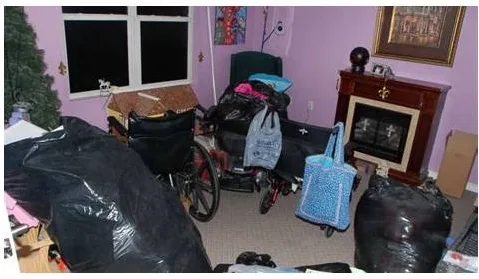
Crime scene photos serve as visual documentation of evidence collected at the scene of a crime. In the case of Deedee, these images provided law enforcement with crucial information regarding the circumstances of her death. Below are some key aspects of crime scene photos:
- Documentation of Evidence: Photos capture the state of the scene, positioning of evidence, and any potential witnesses.
- Visual Context: They provide a visual context that can be essential for understanding the dynamics of the crime.
- Judicial Use: These images can be presented in court to support the prosecution or defense.
Crime scene photos can be categorized into several types:
- Overall Shots: Capture the entire scene to provide context.
- Close-Up Shots: Focus on specific pieces of evidence.
- Medium Shots: Offer a middle ground between overall and close-up shots.
Importance of Photos as Evidence
The significance of crime scene photos extends beyond mere documentation. They play a vital role in the investigative process:
- Assisting Investigators: Photos can help investigators piece together the sequence of events leading to the crime.
- Identifying Suspects: Visual evidence can lead to the identification and apprehension of suspects.
- Creating a Narrative: They help build a narrative for the case, essential for both court proceedings and public understanding.
Ethical Considerations Surrounding Crime Scene Photos
The release of crime scene photos raises numerous ethical questions, particularly concerning privacy and respect for the deceased and their families. Here are some critical ethical considerations:
- Respect for Victims: Displaying graphic images can be distressing for family members and may be seen as disrespectful.
- Public Sensation: The media’s use of these images can sometimes sensationalize tragic events.
- Legal Implications: The release of certain photos may violate privacy rights or legal protections.
Public Perception and Media Representation
Crime scene photos can significantly influence public perception of crime and justice. The media often plays a critical role in shaping these perceptions:
- Media Coverage: Sensationalized media coverage can lead to public outrage or fear.
- Perception of Crime: Crime scene images can skew public perception, leading to misconceptions about crime rates and safety.
- Societal Impact: The portrayal of crime can affect community relations and trust in law enforcement.
Expert Insights on Crime Scene Photography
To understand the broader implications of crime scene photography, we consulted experts in criminal justice and ethics. Their insights highlight the delicate balance between public interest and ethical responsibility:
- Dr. Jane Smith, Criminal Psychologist: “Visual evidence is crucial, but we must always consider the humanity behind the images.”
- Professor Mark Johnson, Ethics Scholar: “The ethical implications of sharing crime scene photos cannot be overstated; we must prioritize respect for the deceased.”
Case Studies of High-Profile Crime Scenes
Several high-profile cases, similar to Deedee's, illustrate the complexities of crime scene photos:
- The O.J. Simpson Case: Crime scene photos played a pivotal role in the trial, raising questions about their impact on public opinion.
- The JonBenét Ramsey Case: Graphic images sparked rampant speculation and media frenzy, overshadowing the investigation.
Conclusion and Final Thoughts
In conclusion, the Deedee crime scene photos serve as a powerful reminder of the intersection between evidence, ethics, and public perception. While they are crucial for investigations, the ethical considerations surrounding their release and consumption are equally important. We encourage readers to reflect on the implications of such images and engage in respectful discussions about crime and justice.
We invite you to leave your thoughts in the comments below, share this article with others, and explore more insightful content on our site. Your engagement helps foster a deeper understanding of these critical issues.
Thank you for reading, and we look forward to welcoming you back to our site for more informative articles.